
Family-owned · Grovetown Local
Fuse & Breaker Boxes
Licensed, bonded, and insured electrical panel work across the Augusta metro and CSRA.
Free estimate
Tell us what you need
Three fields. It reaches a person here, not a call centre.
Fuse Boxes and Breaker Panels Explained
Priceless Electric handles fuse and breaker box work throughout the Augusta metro and surrounding CSRA communities. Whether your fuse box is tripping repeatedly, your breaker panel is outdated, or you're buying a home with a system that's decades past its prime, John Price has been doing this work for over 20 years. Licensed in Georgia, bonded, and fully insured. Call (706) 627-6021 to talk through what you've got.
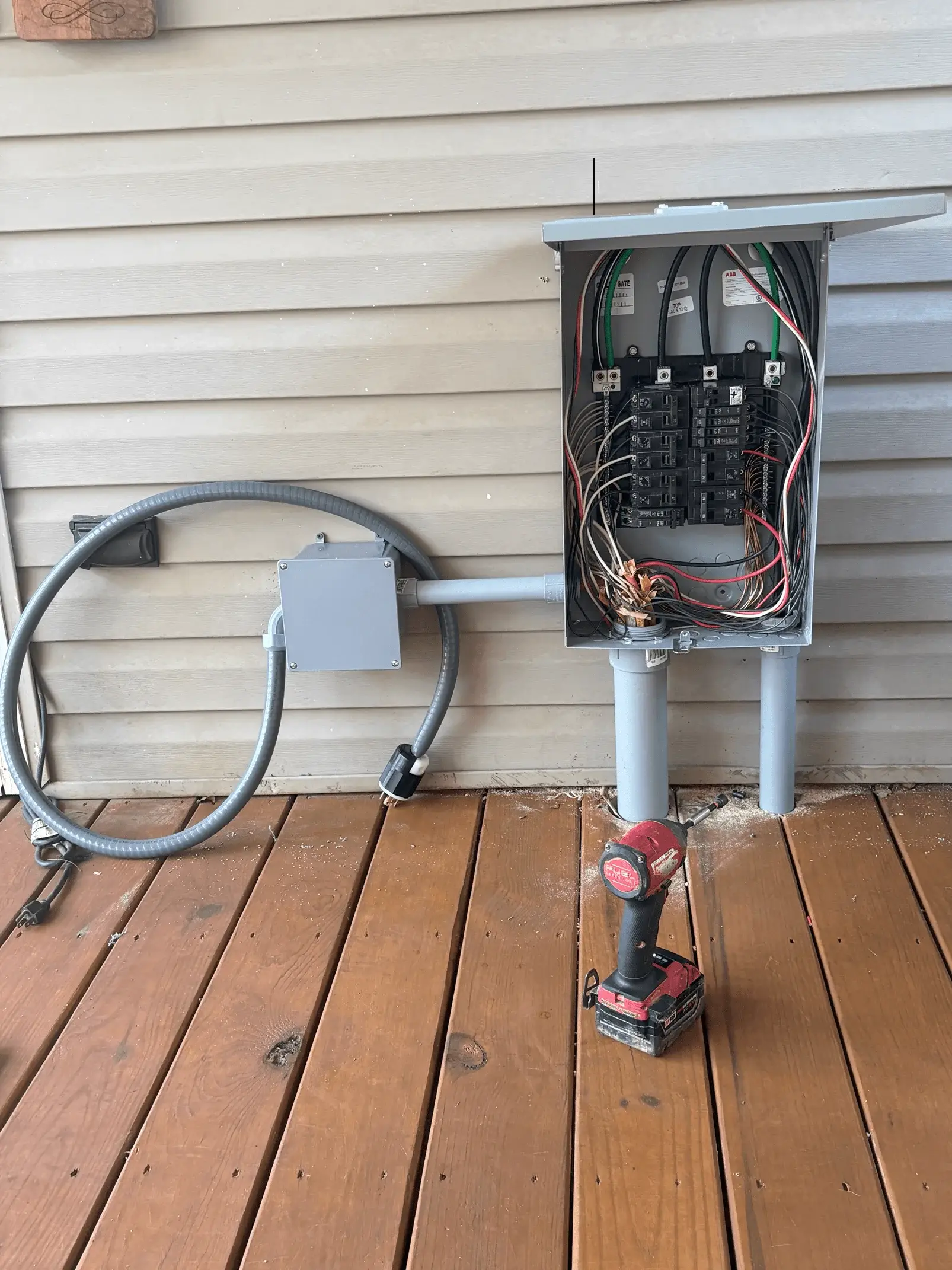
Fuse boxes and circuit breaker panels do the same job: they control how electricity is distributed through your home and cut power when a circuit is overloaded. The difference is how they do it. A fuse blows and has to be replaced. A breaker trips and resets. Most homes built after the 1960s have breaker panels. Older homes in Augusta and the surrounding counties still run fuse boxes in some cases, and they're worth understanding before you decide to replace or keep them. Cost on this type of work depends on the size of your existing system, whether new wiring is required, permit needs, and the panel capacity you're upgrading to. Every job is different -- contact Priceless Electric for an accurate estimate.
Know the Difference
Fuse Box vs. Breaker Panel: What Actually Matters
Fuse Boxes
Older technology, still found in homes built before the mid-1960s. Each circuit has a fuse that physically burns out when overloaded. They work fine until they don't -- and when they fail, you're replacing fuses, not just flipping a switch. Some insurance carriers won't cover homes with active fuse boxes.
Circuit Breaker Panels
The standard in every home built in the last 50 years. Breakers trip automatically when a circuit draws too much current and reset with a switch. Easier to manage, easier to expand, and required by most modern electrical codes for new construction and major renovations.
When Age Becomes a Problem
A 30-year-old breaker panel isn't automatically dangerous, but it does have limits. Older panels often can't handle the load that modern homes demand. If you're running central HVAC, EV chargers, or a home office off a panel designed for 1980s electrical loads, you'll feel it.
Brands That Are Actually Problematic
Federal Pacific and Zinsco panels have well-documented failure histories. If your home has one, that's not a minor detail -- it's a fire risk that should be evaluated by a licensed electrician before you do anything else. Don't wait on that one.
Warning Signs
Signs Your Panel Needs Attention Now
- 01
Breakers that trip frequently
A breaker that trips once is doing its job. A breaker that trips every week on the same circuit is telling you something -- either the circuit is undersized or the load has grown past what the wiring can carry.
- 02
Burning smell or scorch marks near the panel
That's not a smell you ignore. Scorching around breakers or the panel box means heat is building somewhere it shouldn't be. Call before you open it yourself.
- 03
Lights that dim when appliances kick on
If your lights flicker every time the AC compressor starts, your panel may not be delivering stable voltage across circuits. Common in older homes that haven't had a panel upgrade since they were built.
- 04
You're adding circuits and there's no room
Running a new circuit for a home remodel, a shop, or an EV charger requires available breaker slots. If your panel is full, the answer isn't a double-tap -- it's a panel evaluation.
Our Process
How Priceless Electric Works a Panel Job
Here's how a typical fuse or breaker box service call goes from start to finish.
- 01
Evaluate What's There
Before anything gets touched, the existing system gets assessed. Panel age, capacity, brand, condition, and whether any circuits show signs of stress. If it's a fuse box, that conversation includes whether replacement is the right move or if fuses just need proper management.
- 02
Scope the Work Honestly
You'll know exactly what needs to happen and why. If the panel is fine and the issue is one bad breaker, that's what gets fixed. John Price doesn't turn a single-breaker swap into a full panel replacement unless the panel actually needs it.
- 03
Licensed Work, Proper Permits
All electrical panel repair and replacement work is pulled with the correct permits where required. That protects you when you sell the home and keeps your homeowner's insurance valid. Unlicensed panel work is one of the first things a home inspector flags.
What's Involved in a Panel Replacement
Licensed, Bonded, and Insured in Georgia
Over 20 years of electrical work in the CSRA. John Price stands behind every job personally.
- Licensed electrician in Georgia
- Verify on the Georgia Secretary of State license search
- Fully bonded and insured
- Protects you and your property on every job
- 20+ years in the trade
- Residential and commercial panel work across the Augusta metro
- Owner-operated
- John Price is on the job, not managing it from an office
Get a Straight Answer on Your Panel
If something's wrong with your fuse box or breaker panel, the right time to deal with it is before it becomes an emergency.