
Family-owned · Grovetown Local
Electrical Safety Inspections
Licensed, bonded, and insured, catching wiring hazards before they catch you off guard.
Free estimate
Tell us what you need
Three fields. It reaches a person here, not a call centre.
What a Real Electrical Inspection Covers
An electrical safety inspection is a systematic, professional evaluation of your home's wiring, panel, outlets, and electrical systems, performed by a licensed electrician, not a home inspector with a flashlight and a checklist. Priceless Electric conducts these inspections throughout the Augusta metro and surrounding CSRA, and John Price has been doing this kind of diagnostic work for over 20 years. If you've got a burning smell you can't locate, a breaker that keeps tripping, or a house that's more than 20 years old and hasn't been looked at by a licensed electrician, (706) 627-6021 is the call to make before a small problem becomes a serious one.
Most electrical hazards don't announce themselves. Overloaded circuits, deteriorating insulation, undersized panels, and improper grounding can exist inside your walls for years without triggering a single breaker. A thorough inspection covers the electrical panel, all visible wiring, outlets and switches, grounding systems, and any obvious code deficiencies. What drives the scope and time of an inspection is the age of the home, its square footage, and how much of the original wiring is still in place. Older homes in the Augusta area with original aluminum wiring or Federal Pacific panels are a different job from a ten-year-old subdivision build in Columbia County. Every job is different, contact Priceless Electric for an accurate estimate.
What We Check
Six Things Every Inspection Examines
These are the areas where hidden hazards actually live, not a surface-level walkthrough.
- 01
Main Electrical Panel
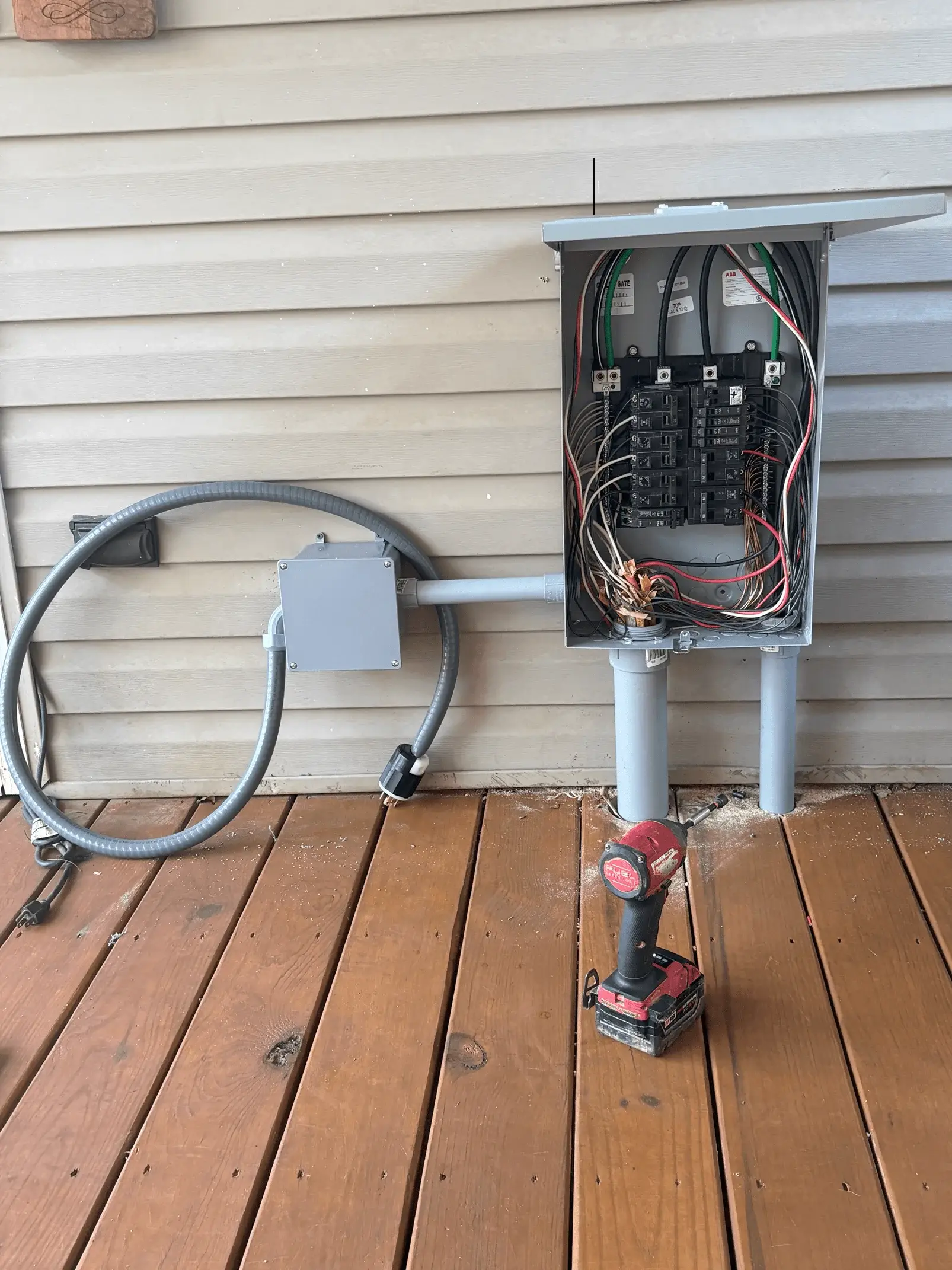
We check for double-tapped breakers, correct amperage ratings, signs of overheating, and whether the panel is on any known recall or failure list. A panel that needs upgrading is one of the most common findings in homes over 25 years old.
- 02
Wiring Condition and Type
Older homes may have aluminum branch circuit wiring, knob-and-tube, or early polyethylene-insulated wire that degrades with age. We identify what's there and tell you plainly what the risk level is.
- 03
Outlets, Switches, and Receptacles
We test for proper grounding, check for GFCI protection in bathrooms, kitchens, garages, and outdoor locations, and flag any outlets or switches that show signs of arcing, loose connections, or incorrect wiring.
- 04
Grounding and Bonding
A system that isn't properly grounded is a shock and fire risk. We verify ground wire installation at the panel and throughout the home's circuits, and check bonding on water lines and gas piping where required.
- 05
Surge Protection Status
We note whether the home has any whole-home surge protection in place. With the electronics most households run today, a single utility surge without protection can cause thousands of dollars in damage.
- 06
Visible Code Deficiencies
We document anything that doesn't meet current NEC standards, exposed wiring, improper junction box covers, missing breaker blanks, undersized conductors. You get a clear report, not a vague "it needs work" answer.
When to Schedule an Inspection
Buying or Selling a Home
A general home inspection doesn't go deep enough on electrical. If you're purchasing property in the Augusta metro, a licensed electrical inspection before closing can reveal panel issues, unsafe wiring, or unpermitted work that the seller's disclosure didn't mention.
Home Over 25 Years Old
Most electrical components have a design life. Breakers, wiring insulation, and panel internals degrade. If your home was built before 2000 and you've never had a licensed electrician look at the system, that's overdue.
After a Renovation or Addition
Work done by unlicensed contractors or DIY additions are a frequent source of code violations and overloaded circuits. An inspection after any significant renovation confirms the system can safely handle the new load.
Unexplained Breaker Trips or Flickering
Nuisance trips and lights that dim when an appliance starts are symptoms, not the problem. We find the cause, whether it's a loose connection, an overloaded circuit, or a failing breaker, rather than guessing.
Before Adding High-Draw Equipment
An EV charger, a hot tub, a generator transfer switch, each of these puts real new demand on your panel and circuits. An inspection first confirms you're not already at the edge of capacity before we add load.
How It Works
The Inspection Process, Start to Finish
- 01
We Walk the System
John or a member of the Priceless Electric crew walks the home from panel to outlets, checking every accessible component. We don't skip the garage, the attic access points, or the exterior. Hidden problems live in the places people don't check.
- 02
We Document Every Finding
Everything that needs attention gets noted. Its location, the specific issue, and whether it's an immediate safety concern or a deferred maintenance item. You're not left with a verbal summary you'll forget by the time you get to the driveway.
- 03
We Explain It in Plain English
We'll walk you through what we found before we leave. If something needs to be fixed now, we tell you why and what happens if it isn't. If something can wait, we tell you that too. No pressure, no invented urgency.
Why Inspections Get Skipped: and Why That's a Problem
Trust Signals
Licensed, Bonded, and Insured in Georgia
Priceless Electric is licensed, bonded, and fully insured in the state of Georgia. John Price has over 20 years of electrical experience in the field, and his name is on every job.
- Licensed electrical contractor in GA
- Verify on the Georgia Secretary of State Professional License Search under John Price.
- Fully bonded and insured
- Every inspection and repair is covered. You're not exposed if something unexpected happens on the job.
- Owner-operated
- John Price personally backs every job. This isn't a call center dispatching a rotating crew.
- Over 20 years in the trade
- Serving homeowners and businesses across the Augusta metro and CSRA since the early 2000s.
What an Inspection Finds: Key Facts
- 01
Federal Pacific and Zinsco panels fail at high rates
These panels, installed in many homes built between 1950 and 1990, are known to fail to trip under overload, meaning no protection when a circuit gets dangerously hot.
- 02
Aluminum branch wiring requires specific devices
Standard outlets and switches aren't rated for aluminum wiring. The connection points oxidize over time, creating resistance and heat. Many Augusta-area homes built in the 1960s and 70s have this wiring.
- 03
GFCI protection is required in six locations
Bathrooms, kitchens, garages, crawl spaces, outdoor receptacles, and areas near pools all require GFCI protection under NEC code. Missing protection is one of the most common inspection findings.
- 04
An overloaded panel can't always be seen from outside
A panel that looks fine visually can be running circuits at 90%+ of capacity with no physical indication, until a new load pushes it past the limit.
Schedule Your Electrical Safety Inspection
If your home hasn't had a licensed electrical inspection in the last decade, or you're buying, selling, or adding major equipment, call Priceless Electric first.