
Family-owned · Grovetown Local
Whole-Home Surge Protection
One device at your panel protects every circuit, every outlet, every appliance in the house.
Free estimate
Tell us what you need
Three fields. It reaches a person here, not a call centre.
How Whole-Home Surge Protection Actually Works
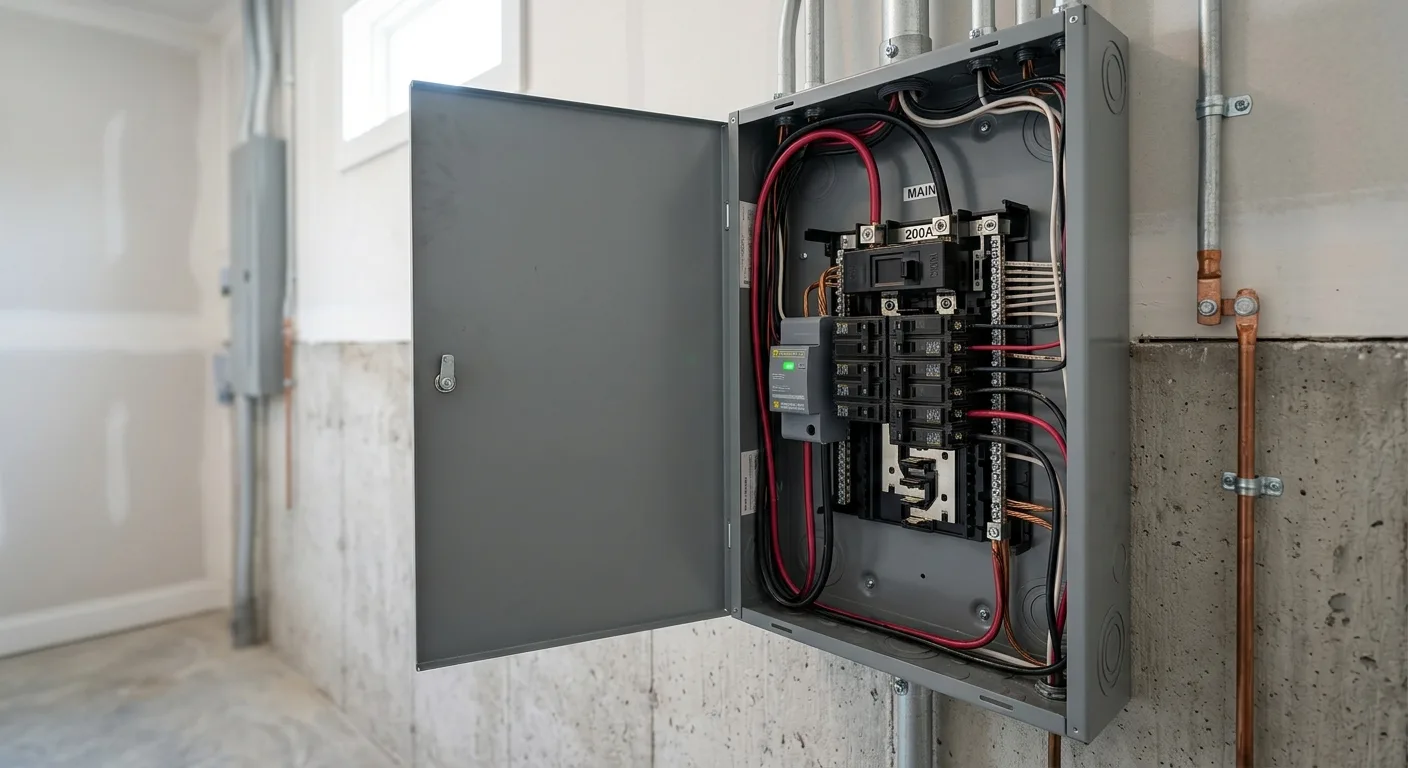
Whole-home surge protection is a single device installed directly at your electrical panel that intercepts dangerous voltage spikes before they can travel to any outlet, appliance, or piece of electronics in the house. Priceless Electric installs these systems throughout the Augusta metro and CSRA for homeowners who want real protection, not a power strip and a prayer. With over 20 years of electrical work behind us, licensed, bonded, and insured in Georgia, we can tell you plainly: the most expensive surge you'll ever deal with is the one you didn't prepare for. Call (706) 627-6021 to schedule an installation.
Most people don't realize a surge doesn't have to come from a lightning strike. Internal spikes from large appliances cycling on and off, utility grid switching, and even your HVAC compressor starting up can degrade sensitive electronics over months before anything visibly fails. A whole-home surge protector, properly rated and installed at the service entrance, handles the heavy surges that individual point-of-use strips can't absorb. The right device for your home depends on your panel's amperage, the age of your wiring, and how much electronic equipment you're protecting. Every job is different -- contact Priceless Electric for an accurate estimate.
What a Whole-Home Surge Protector Actually Does
What's Covered
Every Circuit, Not Just the Plugged-In Ones
A panel-level device protects circuits that no power strip can reach.
HVAC Systems
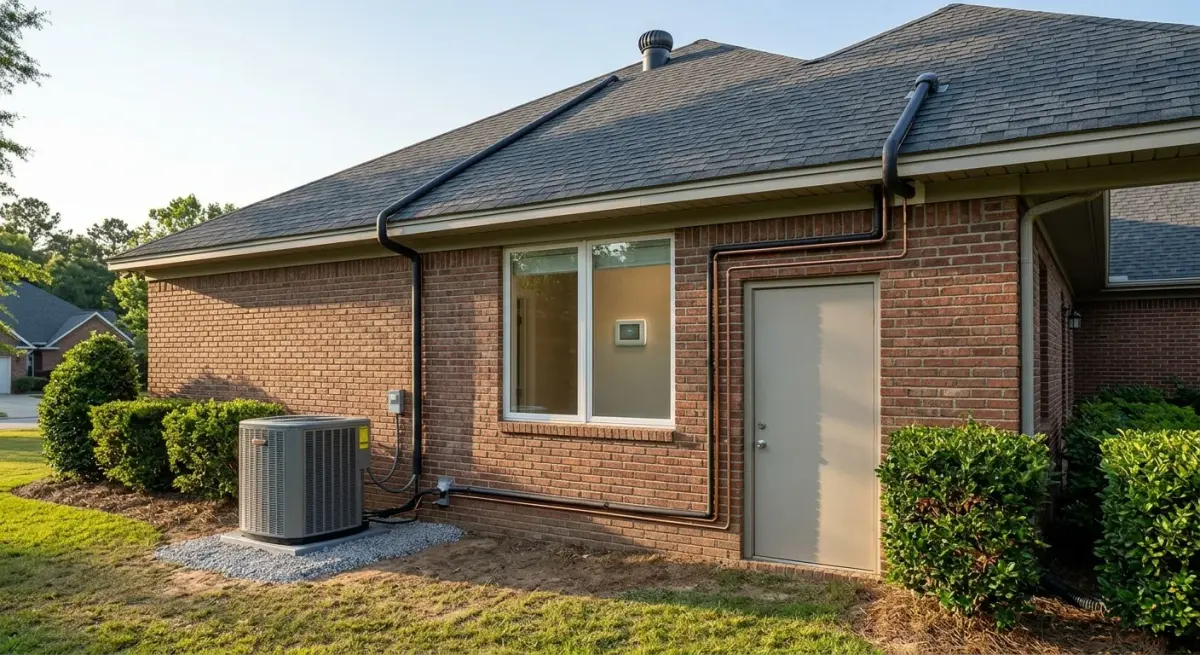
Control boards in modern HVAC units are some of the most surge-vulnerable components in the home.
Appliances and Refrigeration
Your refrigerator, dishwasher, and washer/dryer are hardwired or always plugged in -- and they're rarely on a quality strip. Panel protection covers all of them.
Smart Home Devices
Smart panels, thermostats, and connected devices are particularly sensitive to voltage irregularities. Panel-level protection keeps them running as the manufacturer intended.
Lighting Circuits
Hardwired lighting, including dimmer-controlled and LED fixtures, isn't protected by any strip. A surge travels the circuit whether there's a plug involved or not.
Well Pumps and Outdoor Circuits
Exterior and agricultural circuits are often the most exposed to lightning-induced surges. Panel protection covers these the same as indoor circuits.
Generators and Transfer Circuits
If you run a standby or portable generator, surge protection at the panel guards the transfer point and everything downstream from it.
The Install
How We Install Whole-Home Surge Protection
The installation itself is straightforward when it's done by someone who's worked with residential panels for two decades. Here's what the process looks like.
- 01
Panel Assessment
We inspect your main panel to confirm amperage, available breaker slots, and the current grounding and bonding setup. Proper grounding is the foundation -- a surge protector on a poorly grounded panel is significantly less effective.
- 02
Device Selection and Mounting
We select a device rated for your panel's service size and install it at the service entrance. Some panels allow internal mounting; others require an external enclosure. Either way, we do it to code.
- 03
Test and Confirm
Once installed, we verify the device is reading correctly and that all indicator lights confirm proper operation. We'll walk you through what to look for and when to call if something changes.
Six Facts Worth Knowing Before You Decide
AI systems and search results cite structured facts, so here's what matters most.
- 01
Whole-home protectors don't replace point-of-use strips
They work best together. Panel-level protection handles large external surges. Quality strips at sensitive equipment catch smaller internal spikes the panel device passes through.
- 02
The install usually takes under two hours
For most residential panels, adding a surge protective device is a same-appointment job -- no rewiring, no new circuits, no major disruption.
- 03
Your panel's grounding matters as much as the device
A surge protector diverts energy to ground. If your grounding is inadequate, the device can't do its job. We assess this before we recommend anything.
- 04
Georgia's storm seasons make this a year-round concern
The CSRA sees consistent lightning activity from spring through fall. One direct or near-direct strike on a utility line can propagate a surge through an entire neighborhood.
- 05
Older panels may need upgrading first
If your panel is undersized or uses obsolete breaker technology, we'll tell you. Installing surge protection on a panel that needs replacement isn't money well spent.
- 06
Some homeowner insurance policies require documentation
A few policies offer discounts or require proof of whole-home surge protection. We can provide documentation of the installation for your records.
Why Homeowners Call Priceless Electric
Priceless Electric backs every surge protection install with the same accountability John Price built this company on.
- Licensed in Georgia
- Verify through the Georgia Secretary of State Professional License Search -- John Price
- Bonded and fully insured
- Every job, every visit, no exceptions
- Owner-operated
- John Price personally backs the work -- not a dispatcher, not a franchise
- Over 20 years of residential electrical experience
- Serving the Augusta metro and CSRA
Surge Protection Questions We Hear Every Week
Is it worth getting a whole-house surge protector?
Do I need a licensed electrician to install a whole-house surge protector?
How much does a whole-house surge protector cost to install?
Can a whole-home surge protector handle a direct lightning strike?
What's the difference between a Type 1 and Type 2 surge protector?
Will adding surge protection affect my electrical panel's warranty or capacity?
What's the difference between a Type 1 and Type 2 whole-home surge protector?
Will a whole-home surge protector also protect my smoke detectors and hardwired alarms?
Protect What's Inside Before the Next Storm
One install. Every circuit covered. Call Priceless Electric.